How Much Does a Blockchain Forensic Report Cost?
Understand the realistic pricing structure of a blockchain forensic report, key cost drivers, fixed-scope engagements, and why contingency fee models signal fraud.

When evaluating how much does a blockchain forensic report cost, individuals, legal counsel, and corporate compliance teams often find a confusing landscape of wide-ranging estimates and opaque fee structures. At Aegis Financial Forensics, we believe complete transparency regarding pricing, forensic methodologies, and deliverables is essential to protecting victims from further financial harm. A professional forensic accounting report is a technical, court-admissible document that traces stolen or misappropriated digital assets across distributed ledgers. For a comprehensive overview of the full investigative process, consult our pillar guide on how to trace funds after a scam.
How Much Does a Blockchain Forensic Report Cost on Average?
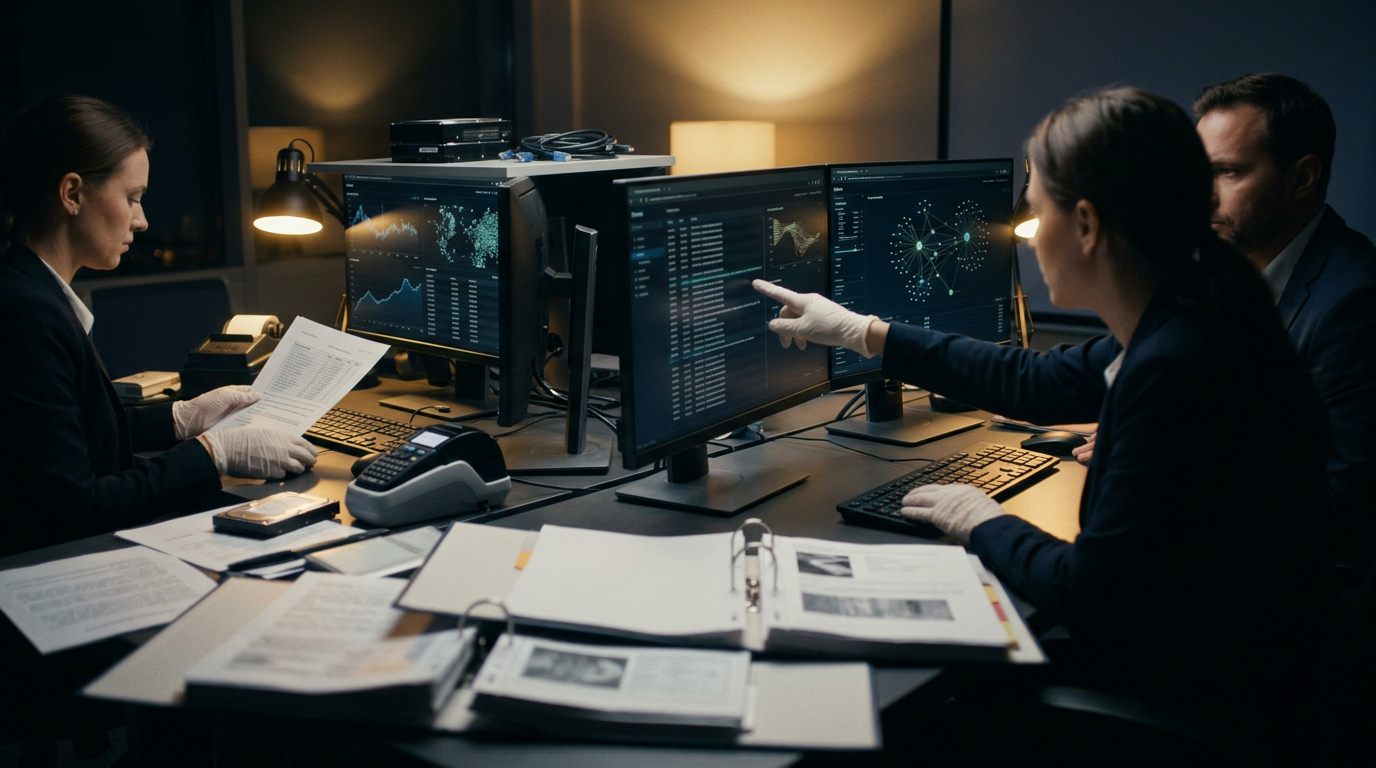
In the independent blockchain intelligence sector, professional forensic reports typically range from $2,500 to over $25,000, depending entirely on the architectural complexity of the transaction path, the number of target wallets, and the intended legal application. Because blockchain analysis requires specialized software licenses, certified forensic examiners, and rigorous chain-of-custody documentation, reputable firms do not offer standard 'one-size-fits-all' pricing.
Forensic engagements generally fall into three structural tiers:
- Tier 1: Basic Single-Chain Asset Trace ($2,500 – $5,000)
Designed for straight-line theft on single layer-1 blockchains (such as Bitcoin or Ethereum) involving a direct transfer from a victim wallet to a centralized Virtual Asset Service Provider (VASP). This tier includes wallet attribution, preliminary risk scoring, and a certified summary report for law enforcement. - Tier 2: Multi-Chain & Bridge Investigation ($5,000 – $15,000)
Covers complex scams where perpetrators utilize decentralized exchanges (DEXs), cross-chain bridges, peel chains, or intermediary unhosted wallets. This level of report is tailored to support private legal counsel drafting subpoenas or applying for emergency injunctive relief in state or federal courts. - Tier 3: Enterprise & High-Net-Worth Litigation Trace ($15,000 – $35,000+)
Required for large-scale exchange compromises, complex corporate embezzlement, or multi-jurisdictional syndicate frauds involving tumbling services, high-velocity OTC brokers, and multiple foreign entities requiring ongoing expert witness testimony.
Whether conducting an investigation for institutional clients in corporate hubs like crypto recovery in Delaware or assisting private individuals, professional forensic costs reflect the human labor and technical infrastructure required to build evidence that withstands judicial scrutiny.
What Is Included in a Fixed-Scope Forensic Engagement?
A reputable forensic investigation firm operates under a clearly defined Statement of Work (SOW). A fixed-scope blockchain forensic report is not merely a collection of block explorer screenshots; it is a legally defensible evidentiary package. When reviewing an engagement proposal, ensure the following core deliverables are explicitly included:
- Transaction Flow Diagrams: High-resolution, annotated visual maps detailing transaction hashes, timestamps, wallet addresses, block numbers, and exact asset values at the time of transfer.
- VASP & Counterparty Identification: Verification of destination exchanges, OTC desks, liquidity pools, or custodial services using commercial-grade attribution databases and proprietary intelligence.
- Sworn Affidavit or Expert Declaration: A signed, formal declaration from a certified blockchain forensic examiner (e.g., CCFE, TRM Certified) detailing the methodology, findings, and qualifications, ready for court submission.
- Raw Metadata & Hash Archives: Comprehensive append-only data files containing raw RPC logs, smart contract interaction payloads, and metadata to preserve the evidentiary chain of custody.
- Subpoena Draft Templates: Precise target language for legal counsel to serve on non-party exchanges, specifying exact account IDs, internal deposit addresses, and KYC/AML records required.
To understand the technical thresholds and judicial limits of these evidentiary packages, read our detailed guide on blockchain forensics limits and proof standards. You can also explore our formal intake framework on our forensic methodology page.
What Makes a Crypto Forensic Investigation More Expensive?
Clients frequently ask why two cases involving similar dollar losses receive drastically different fee quotes. The price of a forensic report is driven by technical friction and legal complexity rather than the total dollar amount lost. Key variables that escalate cost include:
1. Cross-Chain Hop Frequency and Obfuscation Protocols
Tracing assets across a single blockchain is relatively straightforward. However, when bad actors route funds through automated cross-chain swaps (e.g., swapping ERC-20 USDT on Ethereum to native TRX on TRON, then bridging to Avalanche), examiners must manually reconstruct state changes across distinct consensus mechanisms. The use of privacy-enhancing technologies like Tornado Cash or privacy coins like Monero requires advanced statistical cluster analysis and liquidity pool tracking, significantly increasing billable forensic hours.
2. High Wallet Volume and Peel Chains
Sophisticated syndicates split stolen assets into hundreds of micro-transactions—a technique known as a peel chain—to bypass automated Anti-Money Laundering (AML) flags. Mapping thousands of unhosted intermediary wallets requires painstaking data parsing to ensure no funds are missed during legal asset tracing.
3. Jurisdiction and Urgency of Legal Process
If funds are moving rapidly toward off-ramps in non-cooperative jurisdictions, an emergency response is required. Preparing filings for expedited court orders, such as an ex parte emergency freeze, demands immediate reallocation of senior forensic personnel. Legal teams pursuing asset protection in active crypto hubs often coordinate through specialized regional venues like crypto recovery in Wyoming to execute fast-tracked legal discovery.
When time-sensitive asset preservation is necessary, forensic teams must work in tandem with litigation counsel to prepare documents for a crypto asset freezing order and injunctive relief.
Payment Structures We Use (and Fee Models We Refuse)
Aegis Financial Forensics operates strict fee transparency. We charge transparent flat fees or hourly retainers for specialized investigations. Crucially, victims of crypto fraud should be fully aware of the ethical and practical boundary lines regarding professional fee structures.
We Refuse Contingency Fee Models ("No Win, No Fee")
We never charge a percentage of recovered funds, nor do we offer contingency-based pricing. While contingency fees may sound appealing to a victim who has already suffered a financial loss, contingency fee models in blockchain forensics are a major red flag for two reasons:
- Loss of Expert Witness Credibility: In court, a forensic examiner must act as an independent, objective finder of fact. If an examiner’s compensation is tied to the financial outcome of a case, opposing counsel can easily disqualify their testimony due to financial bias and conflict of interest. Read more on how objective analysis maintains authority in our article on how forensic reports support crypto recovery in court.
- Prevalence of Recovery Scams: Fraudulent operations routinely promise to retrieve funds for a "10% fee after recovery," only to demand upfront "network fees," "tax unlock fees," or "liquidity deposits" later. Real forensic firms conduct objective analytical labor; they are not financial recovery agents or law enforcement officers empowered to seize funds directly.
Our Standard Transparent Billing Structure
We provide a upfront, fixed-fee quote after evaluating your initial transaction hashes during intake. The price quoted in your engagement agreement is the total cost for the defined scope of work—with no hidden hourly surprises or unapproved costs.
How to Compare Forensic Quotes Without Being Scammed
The cryptocurrency recovery sector is heavily targeted by secondary recovery scams. Victims seeking assistance must exercise rigorous due diligence when vetting forensic providers and evaluating quotes. When comparing prospective firms, apply these evaluation criteria:
- Verify Physical Corporate Presence: Legitimate financial forensics firms maintain verifiable physical headquarters and registered corporate filings. Aegis Financial Forensics maintains its principal offices at 48 Wall Street, 11th Floor, New York, NY 10005, working alongside local counsel in jurisdictions nationwide, including dedicated regional matters such as crypto recovery in Missouri.
- Demand Sample Deliverables and Examiner Credentials: Ask to inspect redacted sample reports. Ensure the investigators holding your case file carry recognized industry certifications (such as Certified Fraud Examiners or Certified Blockchain Forensic Examiners).
- Reject Guarantees of Fund Recovery: No forensic firm, attorney, or software provider can guarantee the return of stolen cryptocurrency. Asset recovery requires law enforcement intervention, regulatory freeze orders, or formal court judgements. A forensic report is an evidentiary tool that supports these pathways—it is not an automated refund mechanism.
- Clarify Exchange Actionability: Verify whether the firm’s report formats align with the compliance standards of major exchanges like Binance, Coinbase, or Kraken, as well as stablecoin issuers like Tether. Learn how freeze mechanics function in our guide on USDT scam recovery and Tether freeze requests.
Frequently Asked Questions About Forensic Costs
Can I get a free blockchain forensic report for law enforcement?
Law enforcement agencies do not charge victims for investigations, but public police agencies rarely produce bespoke forensic reports for private civil action. Private forensic firms charge fixed fees to generate court-admissible documentation required by private counsel to obtain emergency subpoenas or freezing injunctions quickly.
Does insurance or legal counsel cover the cost of a forensic report?
Some commercial cyber insurance policies and specialized legal defense funds cover forensic accounting expenses following an unauthorized asset transfer. Private litigation counsel often engages forensic examiners directly as expert consultants, treating forensic report fees as reimbursable litigation costs within civil asset recovery claims.
Related Reading in This Series
- Blockchain Forensics: What It Proves and Its Real Limits
- Crypto Asset Freezing Order: Preparing Injunctive Relief
- USDT Scam Recovery: When Tether Freezes Stolen Funds
What to Do Next
If you have suffered a digital asset loss and require a transparent, legally defensible forensic evaluation, contact our senior investigative team today. We will review your primary transaction hashes, evaluate the complexity of the transfer path, and provide a clear, fixed-scope quote with zero hidden fees. Submit your case details securely through our confidential intake portal.