Bitcoin ATM Scam: Operator Records & Evidence
Victims of a bitcoin atm scam often believe physical cash deposits leave no digital trail. Discover how operator KYC records, receipts, and blockchain analytics build actionable court-admissible evidence.
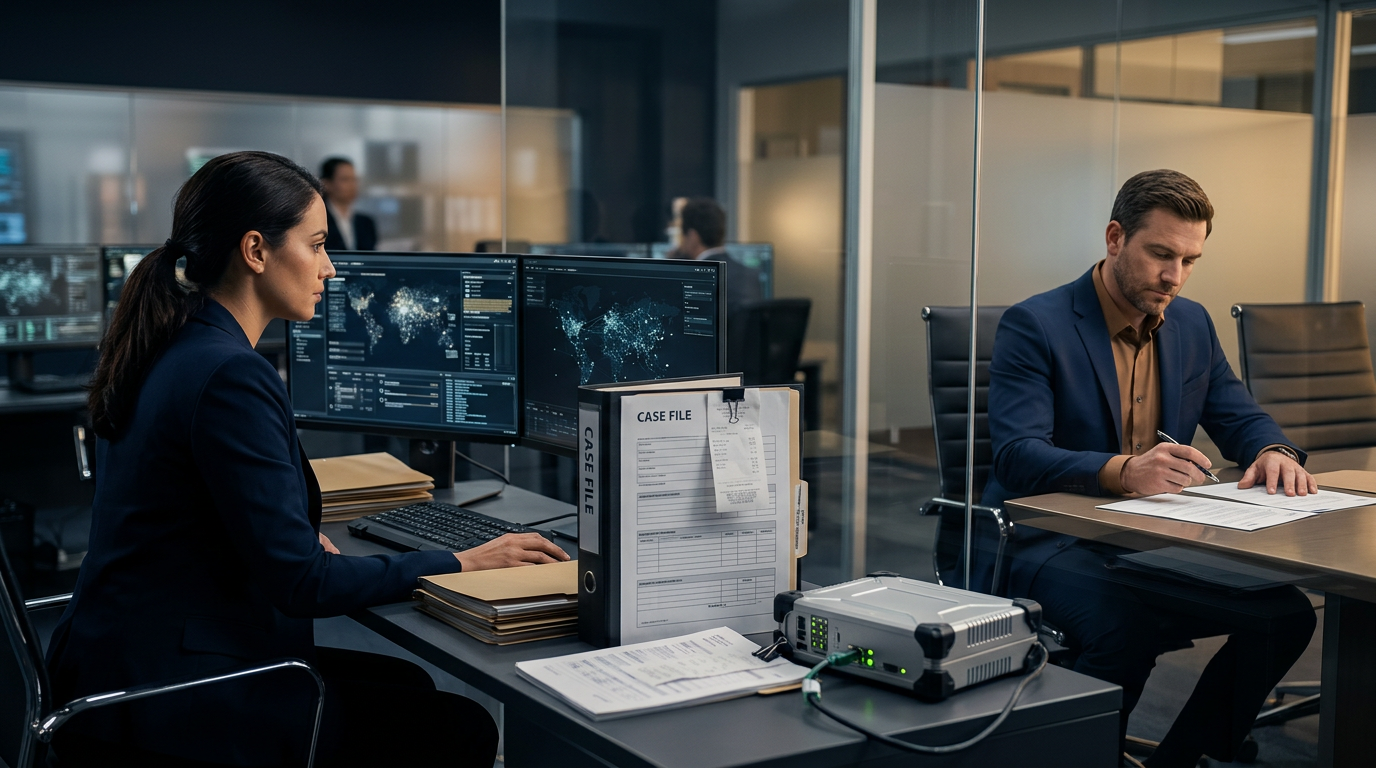
Understanding the Anatomy of a Bitcoin ATM Scam

In recent years, the rapid proliferation of cryptocurrency kiosks has coincided with a surge in predatory financial fraud. Victims trapped in a bitcoin atm scam are routinely coerced through psychological pressure, impersonation, or deceptive investment schemes to convert fiat currency into digital assets. Scammers instruct victims to withdraw physical cash from their bank accounts, navigate to a local Bitcoin Teller Machine (BTM), and scan a barcode provided directly by the perpetrator. Because the victim physically handles paper banknotes, many operate under the false assumption that the funds are untraceable once deposited.
However, modern BTM operators do not function in an unregulated vacuum. Federal regulations, including the Bank Secrecy Act (BSA) and FinCEN mandates, require money service businesses (MSBs) to log transaction data, verify customer identity under Know Your Customer (KYC) rules, and monitor suspicious activity. When funds are deposited into a kiosk, a dual-layer evidentiary trail is created: a physical and digital record with the operator, and an immutable transaction entry on the public blockchain. Retaining specialized crypto asset tracing services allows victims and legal teams to transform these fragmented data points into court-admissible forensic reports.
The Critical Role of Kiosk Records and Receipts
The moment cash is inserted into a cryptocurrency kiosk, multiple telemetry records are generated. For victims and their counsel, collecting these records immediately is the cornerstone of any subsequent investigation. Our blockchain forensic methodology emphasizes gathering both physical and digital artifacts before operator retention windows expire.
Key evidence sources from a BTM transaction include:
- Physical Paper Receipts: Printed at the time of deposit, receipts usually contain the transaction hash (TxID), target wallet address, terminal identification number, cash deposit total, operator fee structures, and exact timestamps.
- Operator Identification Logs: Depending on local compliance thresholds, BTMs require phone number verification, SMS one-time passwords, driver's license scans, or facial imagery. These records bind a real-world entity or contact channel to the transaction session.
- Terminal CCTV and Location Data: Most modern kiosks feature embedded security cameras. Additionally, host locations (such as convenience stores or gas stations) maintain independent video surveillance that can corroborate the exact timing of coerced deposits.
- On-Chain Transaction Hashes: Once the kiosk processes the cash, the operator broadcasts a transaction to the network, permanently linking the cash deposit to a specific destination wallet address.
Comparing these BTM-based schemes to other retail payment fraud—such as mechanisms documented in our gift card to crypto scam reconstruction guide—reveals that BTM transactions offer significantly richer compliance data due to strict financial regulation surrounding cash-to-crypto kiosks.
How Forensic Analysis Supports Case Development for a Bitcoin ATM Scam
Demonstrating that a bitcoin atm scam occurred requires more than showing cash was deposited; it requires proving where the assets moved after leaving the initial kiosk terminal. Once cash is converted into Bitcoin, fraudsters typically transfer the funds through a network of intermediary wallets to obfuscate the flow of funds before attempting cash-outs at centralized exchanges.
Forensic investigators utilize specialized blockchain analytics to map these multi-hop transactions. By analyzing transaction graphs, clustering wallet heuristics, and identifying exchange deposit addresses, forensic analysts produce documented evidence that can support civil subpoenas or criminal referrals. When law enforcement agencies receive a comprehensive forensic dossier detailing the complete transaction path, their ability to issue legal process to destination exchanges is dramatically accelerated. To understand how forensic findings integrate into official law enforcement filings, review our law enforcement crypto referral guide.
Navigating Operator Subpoenas and Legal Preservation
A critical step following a kiosk fraud incident is securing evidence from the BTM operator before standard log retention limits are reached. BTM companies maintain strict internal compliance departments that respond to formal legal demands, law enforcement inquiries, and court orders.
Through our structured investigative process, forensic reports can identify the exact corporate entity operating the terminal, provide the technical parameters required for legal preservation letters, and document the specific blockchain movement originating from the kiosk. Preserving operator camera footage and internal ledger logs quickly is vital, as internal server logs may be overwritten after 30 to 90 days if no formal hold notice is served.
Beware of Recovery Scams and Unrealistic Guarantees
Victims seeking answers after a financial loss are frequently targeted by secondary fraudsters offering guaranteed fund recovery. It is vital to understand that no ethical blockchain forensics firm, attorney, or investigator can guarantee the return of stolen cryptocurrency. The public ledger allows investigators to track movement and identify legal touchpoints, but actual asset recovery depends entirely on judicial orders, regulatory seizures, or official law enforcement enforcement actions.
Legitimate forensic firms provide objective evidence gathering, investigative reports, and litigation support. They do not charge upfront fees based on guaranteed returns, nor do they claim to possess secret hacking tools capable of reversing blockchain transactions. For more insights on evaluating legitimate investigative scopes and costs, read about our engagements model or consult our guide on crypto investigation fee drivers.
Frequently Asked Questions About Bitcoin ATM Scams
Can police track money lost in a bitcoin atm scam?
Yes, law enforcement can trace funds by subpoenaing the kiosk operator for identity verification records, transaction logs, and security video. Investigators then analyze the blockchain to follow the funds to centralized exchanges, where subpoenas can reveal the account holder's identity, subject to legal jurisdiction and cooperation timelines.
What evidence should you preserve after a bitcoin atm scam?
Preserve all printed BTM receipts, bank withdrawal slips, text or messaging application logs, phone call histories, and the wallet addresses or QR codes provided by the perpetrator. Maintaining a clear chronological record of communications and banking records drastically strengthens subsequent forensic analysis and law enforcement submissions.
How long do Bitcoin ATM operators keep transaction records?
Regulated BTM operators typically retain customer verification data and transaction records for three to five years to meet Anti-Money Laundering requirements. However, security camera footage recorded at the kiosk terminal may be overwritten within 30 to 90 days unless an explicit preservation letter is issued promptly.
What to Do Next: Steps to Initiate a Forensic Assessment
If you or your client have fallen victim to a kiosk-based scheme, taking swift, methodical action is necessary to preserve crucial evidence and establish a clear chain of custody.
Recommended immediate steps include:
- Gather every physical paper receipt printed by the kiosk, taking high-resolution digital scans of each document.
- Request transaction and withdrawal records directly from your financial institution showing the cash source.
- Preserve all digital communication with the perpetrator without deleting chat threads, user handles, or provided QR codes.
- File formal complaints with local law enforcement and national cybercrime portals such as the FBI's Internet Crime Complaint Center (IC3).
- Engage an independent financial forensics firm to prepare an official blockchain analysis report for legal counsel or law enforcement.
Learn more about Aegis Financial Forensics and our commitment to evidentiary integrity, or reach out directly through our confidential intake form to evaluate your case options with a forensic analyst.